


July 29, 2026
In this article
- Why Patients in Kuwait Choose Clear Aligners
- What Is Invisalign and How Does It Work?
- The Invisalign Treatment Process
- 1. Initial Consultation
- 2. Records and Treatment Planning
- 3. Receiving the Aligners
- 4. Wearing and Changing the Aligners
- 5. Progress Appointments
- 6. Retention After Treatment
- Why Is Invisalign Popular in Kuwait?
- Discreet Appearance
- Removability
- Easier Oral Hygiene
- Customized Treatment Planning
- What Affects the Cost of Invisalign in Kuwait?
- How to Choose an Invisalign Provider in Kuwait
- Verify the Treating Doctor’s Qualifications
- Ask About Relevant Experience
- Review the Complete Treatment Plan
- Invisalign vs. Traditional Braces
- What Conditions May Invisalign Treat?
- Living with Invisalign Aligners
- Eating and Drinking
- Cleaning Your Teeth
- Cleaning the Aligners
- Initial Pressure or Discomfort
- Speech Adjustment
- Invisalign for Teenagers
- Invisalign at Chic Clinics Kuwait
- Frequently Asked Questions
- Is Invisalign Painful?
- How Long Does Invisalign Treatment Take?
- Can I Eat While Wearing Invisalign Aligners?
- Can Invisalign Treat Every Orthodontic Problem?
- What Happens If I Lose an Aligner?
- Will I Need Retainers After Invisalign?
- Conclusion: Begin with an Orthodontic Assessment
Why Patients in Kuwait Choose Clear Aligners
For patients seeking a discreet way to straighten their teeth, Invisalign and other clear aligner systems provide an alternative to traditional fixed braces.
Clear aligners may be suitable for teenagers and adults who want an orthodontic option that can be removed for eating, brushing, and flossing. However, suitability depends on the patient’s bite, tooth alignment, oral health, and ability to follow the prescribed wearing schedule.
In this guide, we explain how Invisalign works, which orthodontic concerns it may address, what affects the cost in Kuwait, and how to choose a suitable provider.
What Is Invisalign and How Does It Work?
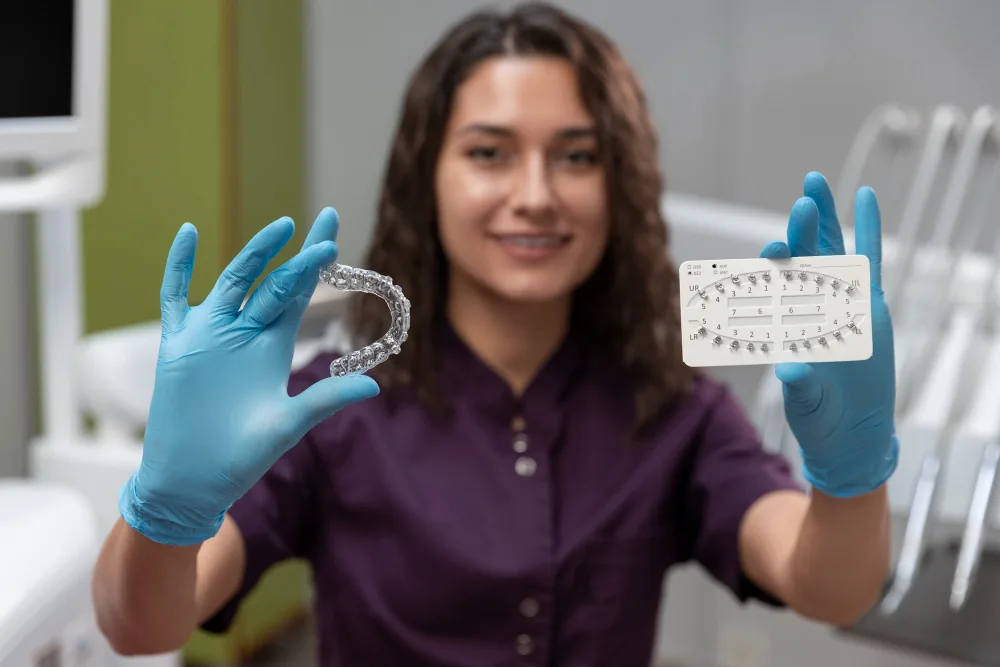
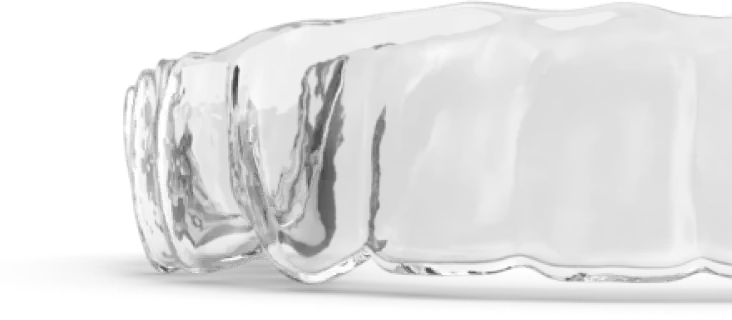
Invisalign is a branded orthodontic system that uses a series of clear, removable aligners to move the teeth gradually.
Each aligner is customized according to a treatment plan prepared by a dentist or orthodontist. The aligners apply controlled pressure to selected teeth and are replaced according to the schedule set by the treating doctor.
Most patients are instructed to wear Invisalign aligners for approximately 20 to 22 hours each day, removing them for meals, drinks other than water, brushing, and flossing.
The Invisalign Treatment Process
Although every patient’s treatment is different, the process generally includes the following stages:
1. Initial Consultation
The doctor examines the teeth, gums, bite, and jaw relationship to determine whether clear aligners are appropriate.
Existing dental problems, such as untreated cavities or active gum disease, may need to be addressed before orthodontic treatment begins.
2. Records and Treatment Planning
The doctor may use photographs, dental X-rays, impressions, or a digital scan to create an accurate record of the patient’s teeth.
Digital treatment-planning software can then be used to plan the expected tooth movements and develop a customized sequence of aligners. Invisalign’s official process includes three-dimensional scanning and digital treatment planning, although the specific equipment used depends on the treating clinic.
3. Receiving the Aligners
Once the aligners are produced, the doctor checks their fit and explains how to insert, remove, clean, and store them.
Small tooth-colored attachments may be placed on selected teeth when additional control is required.
4. Wearing and Changing the Aligners
The patient wears each set according to the doctor’s instructions. The schedule for changing aligners varies depending on the treatment plan and the patient’s progress.
Consistent wear is essential. Wearing the aligners for fewer hours than prescribed may slow treatment or affect the planned tooth movement.
5. Progress Appointments
Follow-up appointments allow the doctor to check tooth movement, evaluate the fit of the aligners, and make changes when necessary.
The frequency of appointments depends on the treatment plan and should not be assumed to be the same for every patient.
6. Retention After Treatment
After active treatment, most patients need retainers to help maintain the new tooth positions. Retainers are an important part of orthodontic care because teeth may shift after aligner treatment or fixed braces.
Why Is Invisalign Popular in Kuwait?
Discreet Appearance
Invisalign aligners are transparent and less noticeable than conventional metal braces. They may therefore appeal to adults and teenagers who prefer a less visible orthodontic treatment.
They are not completely invisible, particularly when attachments are required, but they generally offer a discreet appearance.
Removability
The aligners can be removed for eating and oral hygiene. This means patients do not usually face the same food restrictions associated with fixed braces.
However, the aligners should be reinserted after cleaning the teeth and worn for the prescribed number of hours.
Easier Oral Hygiene
Because the aligners are removable, patients can brush and clean between their teeth normally.
Good oral hygiene remains essential, as food or sugary drinks trapped beneath the aligners may increase the risk of decay or gum irritation.
Customized Treatment Planning
Clear aligner treatment is planned according to the patient’s individual tooth positions and bite. The doctor monitors the progress and may modify the plan if the teeth do not move as expected.
What Affects the Cost of Invisalign in Kuwait?
There is no single price that applies to every Invisalign case.
The cost may depend on:
* The complexity of the tooth and bite problem
* The estimated length of treatment
* The number of aligners required
* Whether additional aligners or refinements are needed
* The experience and qualifications of the treating doctor
* The diagnostic records included
* The frequency of follow-up visits
* Whether retainers are included
* Whether other dental treatment is needed first
Before beginning treatment, request a written explanation of the total cost and what the package includes.
Ask whether the quoted price covers:
* Diagnostic records
* All planned aligners
* Follow-up appointments
* Attachments and related procedures
* Additional aligners if required
* Retainers
* Replacement of lost or damaged aligners
The final treatment cost should be confirmed after a clinical assessment.
How to Choose an Invisalign Provider in Kuwait
Choosing the right provider is more important than selecting treatment based only on price or marketing claims.
Verify the Treating Doctor’s Qualifications
Ask whether your case will be planned and monitored by an orthodontist or another appropriately trained dental professional.
The Chic Clinics website lists Dr. Yasser Atwi as a specialist orthodontist and identifies orthodontics, braces, and Invisalign among the clinic’s services.
Ask About Relevant Experience
Useful questions include:
* Have you treated cases similar to mine?
* Who will prepare and supervise my treatment plan?
* What records are required before treatment?
* What happens if my teeth do not move as planned?
* Are refinements included in the treatment cost?
* Are retainers included?
* How often will I need follow-up appointments?
* What alternatives are available if Invisalign is unsuitable?
Review the Complete Treatment Plan
The doctor should explain:
* The orthodontic diagnosis
* Which teeth need to move
* The expected benefits and limitations
* The estimated treatment duration
* The importance of daily aligner wear
* Possible attachments or additional procedures
* Retention after treatment
* Alternative orthodontic options
No provider should promise a guaranteed result or an exact completion date before evaluating the case and monitoring its response to treatment.
Invisalign vs. Traditional Braces
Both clear aligners and fixed braces can be effective orthodontic options. The appropriate treatment depends on the diagnosis rather than appearance alone.
| Feature | Invisalign Clear Aligners | Traditional Braces |
|---|---|---|
| Appearance | Transparent and discreet | Brackets and wires are visible |
| Removability | Removed for meals and cleaning | Fixed to the teeth |
| Oral hygiene | Teeth can be brushed normally after removing aligners | Requires cleaning around brackets and wires |
| Patient responsibility | Requires consistent daily wear | Does not depend on remembering to wear the appliance |
| Food considerations | Aligners are removed before eating | Some foods may need to be avoided |
| Follow-up care | Requires monitoring and possible refinements | Requires regular adjustments |
| Suitability | Depends on the tooth movements and patient cooperation | May be preferable for some complex movements or cases |
Invisalign should not automatically be described as faster, more effective, or better than braces. Each option has advantages and limitations, and the doctor should recommend treatment based on the patient’s specific condition.
What Conditions May Invisalign Treat?
Depending on the complexity of the case, Invisalign may be used to address:
* Crowded teeth
* Spaces between teeth
* Some overbite cases
* Some underbite cases
* Crossbite
* Open bite
* Deep bite
* Relapse after previous orthodontic treatment
Clear aligners may not be the most appropriate option for every severe bite or jaw problem. Some cases may be treated more predictably with fixed braces, other orthodontic appliances, or a combination of orthodontic and surgical treatment.
Chic Clinics lists Invisalign, metal braces, and ceramic braces among its orthodontic options and treats several forms of dental and bite misalignment.
Living with Invisalign Aligners
Eating and Drinking
Remove the aligners before eating or drinking anything other than plain water.
Eating with the aligners may damage or stain them, while sugary or acidic drinks can become trapped against the teeth.
Cleaning Your Teeth
Brush your teeth before reinserting the aligners whenever possible. Cleaning between the teeth is also important to prevent food and plaque from remaining beneath them.
Cleaning the Aligners
* Rinse them using lukewarm water.
* Clean them gently according to the doctor’s instructions.
* Avoid hot water, which may distort the material.
* Store them in their case when they are not being worn.
* Avoid using highly abrasive materials that may scratch them.
Initial Pressure or Discomfort
Patients may experience temporary pressure or tightness when beginning treatment or changing to a new aligner.
This discomfort is usually associated with the pressure needed to move the teeth. Patients should contact their doctor if pain is severe, persistent, or accompanied by swelling or another concerning symptom.
Speech Adjustment
Some patients notice a temporary change in speech when they first begin wearing aligners. This often improves as the tongue becomes accustomed to the appliance.
Invisalign for Teenagers
Clear aligners may be an option for some teenagers, but suitability depends on:
* The stage of tooth development
* The orthodontic diagnosis
* The teenager’s ability to wear the aligners consistently
* Oral hygiene
* The likelihood of losing or damaging aligners
* The need for other orthodontic appliances
The orthodontist should compare clear aligners with fixed braces and explain which option is more appropriate.
Invisalign at Chic Clinics Kuwait
Chic Clinics provides orthodontic services in Mahboula, Kuwait, including metal braces, ceramic braces, and Invisalign clear aligners.
The clinic’s website states that treatment is available for children, teenagers, and adults with concerns such as crowding, spacing, crossbite, open bite, and deep bite.
Treatment should begin with an assessment by the orthodontic team. The doctor can determine:
* Whether Invisalign is suitable
* Which orthodontic concerns need treatment
* The expected complexity of the case
* The likely treatment stages
* Whether additional dental procedures are needed
* The estimated cost
* The required follow-up and retention plan
Frequently Asked Questions
Is Invisalign Painful?
Invisalign treatment may cause temporary pressure or mild discomfort, particularly when a new aligner is inserted.
Severe or persistent pain is not something to ignore. Contact the treating doctor rather than adjusting the aligner or taking medication without appropriate guidance.
How Long Does Invisalign Treatment Take?
Treatment duration varies according to the complexity of the case, the required tooth movements, and how consistently the aligners are worn.
The doctor can provide an estimate after completing the examination and treatment plan, but the timeline may change according to the patient’s progress.
Can I Eat While Wearing Invisalign Aligners?
The aligners should normally be removed before eating and before drinking anything other than plain water.
After eating, clean your teeth before reinserting them whenever possible.
Can Invisalign Treat Every Orthodontic Problem?
No. Invisalign can treat many types of tooth misalignment, but it is not necessarily the best option for every patient.
The orthodontist may recommend fixed braces or another treatment when more complex tooth or jaw movement is required.
What Happens If I Lose an Aligner?
Contact the clinic as soon as possible. Do not automatically move to the next aligner unless the doctor instructs you to do so.
The appropriate step depends on how long the lost aligner had been worn and the stage of treatment.
Will I Need Retainers After Invisalign?
Yes, most patients need retainers after completing orthodontic treatment. The doctor will explain the appropriate type and wearing schedule.
Conclusion: Begin with an Orthodontic Assessment
Invisalign provides a discreet and removable method of straightening teeth, but successful treatment depends on accurate diagnosis, professional monitoring, good oral hygiene, and consistent aligner wear.
The cost, treatment duration, number of aligners, and expected result vary from one patient to another. An orthodontic consultation is therefore necessary before deciding whether Invisalign or fixed braces are more appropriate.
Chic Clinics in Mahboula offers Invisalign and other orthodontic options under the supervision of its dental team.
Schedule an appointment with Chic Clinics Kuwait for an orthodontic assessment and a treatment plan based on your individual dental needs.

Best Dentist in Kuwait: Your Complete Guide to Chic Clinics
Who is the best dentist in Kuwait? Chic Clinics is widely regarded as the best dentist…
Teeth Whitening Kuwait: Your Complete Guide to a Brighter Smile
Are you searching for the best teeth whitening in Kuwait and feeling overwhelmed by the number…

Chic Clinic is a high-level dental clinic established in Kuwait with a team of experts in the field of dentistry.


Copyright © 2025. All rights reserved. Powered by Hats-Off