


October 24, 2026
In this article
- What are veneers?
- Porcelain (ceramic) veneers
- Composite veneers
- Veneers are not reversible
- Who are veneers suitable for?
- Consider these alternatives first
- The porcelain veneer process
- Risks and maintenance
- What affects the cost of veneers?
- Veneers at Chic Clinics, Mahboula
- Preparing for your consultation
- Book a veneer consultation
- Frequently asked questions
- Do veneers damage your teeth?
- Can veneers be removed?
- Is the procedure painful?
- Will veneers look natural?
- Can I whiten my veneers?
- Should I choose porcelain or composite?
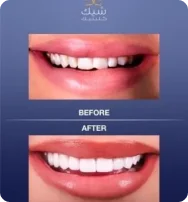
Veneers can change the colour, shape and proportions of your front teeth, and for the right person they produce a natural-looking result. They are also a commitment: most veneers involve permanently reshaping your natural teeth, and every veneer will eventually need maintenance or replacement. This guide explains the types of veneer, who they suit, the alternatives worth considering first, and what Dental Veneers involves at Chic Clinics in Mahboula.
What are veneers?
A veneer is a thin layer of tooth-coloured material bonded to the front surface of a tooth. There are two main types.
Porcelain (ceramic) veneers
Porcelain veneers are made individually, usually in a dental laboratory, from impressions or a digital scan of your teeth. They resist staining well and reflect light in a similar way to natural enamel. To make room for them, the dentist normally removes a thin layer of enamel from the front and sides of each tooth.
Composite veneers
Composite veneers are built up directly on the tooth using tooth-coloured resin, often in a single visit. They usually need less tooth preparation, cost less and are easier to repair. However, they are more prone to staining, chipping and wear than porcelain, and need polishing or repair more often.
Veneers are not reversible
Because enamel is removed for most porcelain veneers, and enamel does not grow back, the treated teeth will always need a veneer or another covering. Composite veneers may need little or no preparation, but they still require upkeep for life. This is the most important point to understand before you decide.
Who are veneers suitable for?
Veneers can help if you have:
- teeth that remain discoloured after whitening, or stains that whitening cannot reach
- chipped, worn or uneven front teeth
- small gaps between front teeth
- teeth that are small or irregular in shape
Veneers may not be the right choice, or may need other treatment first, if you have:
- untreated decay or gum disease, which must be treated before veneers are placed
- a habit of grinding or clenching your teeth
- a very deep bite or other significant bite problems
- teeth that are significantly crooked — orthodontic treatment may be a better way to correct their position
Consider these alternatives first
A good cosmetic consultation looks at less invasive options before recommending veneers:
| Your concern | Option to consider first | Why |
|---|---|---|
| Teeth look yellow or dull | Professional whitening | No tooth is removed; results fade over time and can be topped up |
| Small chip or gap | Composite bonding | Little or no tooth preparation; easy to repair |
| Crooked or crowded teeth | Braces or clear aligners | Moves your own teeth into a better position |
| Uneven gum line | Gum reshaping | Changes the visible tooth length without altering the teeth |
| Heavily damaged or root-treated tooth | Crown | Provides more protection than a veneer |
Many smile makeovers combine several of these. For example, if you plan to whiten your teeth, do this before veneers are made. Whitening does not change the colour of veneers, crowns or fillings, so the veneers are matched to your whitened shade.
The porcelain veneer process
The number of visits varies, but treatment usually follows these steps.
- Consultation and planning. The dentist examines your teeth and gums, takes X-rays if needed and discusses the result you want. Photographs and impressions or scans help plan the shape and shade. Ask whether you can preview the planned result, for example with a trial or mock-up, before your teeth are prepared.
- Preparation. Under local anaesthetic, the dentist removes a thin layer of enamel from each tooth being treated. Impressions or scans are taken and sent to the laboratory.
- Temporary veneers. Temporary coverings may be fitted while your veneers are made.
- Fitting. The dentist checks the fit, shape and colour with you before bonding each veneer in place, then adjusts your bite.
- Review. A follow-up visit lets the dentist check your gums and bite once you have adjusted to the veneers.
Some sensitivity to hot and cold after preparation is common and usually settles. If your bite feels uneven after fitting, contact the clinic so it can be adjusted.
Risks and maintenance
Veneers can chip, crack, wear or come loose, and may need re-bonding, repair or replacement over time. Decay can still develop at the edges of a veneer, and the gum around veneers can become inflamed if cleaning is poor. How long veneers last depends on the material, your bite, your habits and how well you look after them.
To protect your veneers:
- brush twice a day with fluoride toothpaste and clean between your teeth daily
- avoid biting hard objects such as ice, pens or fingernails
- wear a night guard if you grind your teeth, and a mouthguard for contact sports
- limit drinks that stain, especially if you have composite veneers
- keep attending check-ups so problems are found early
What affects the cost of veneers?
The cost depends on:
- the number of teeth being treated
- the material (porcelain or composite)
- any treatment needed beforehand, such as whitening, gum treatment or orthodontics
- the complexity of the case and the planning involved
You will receive an itemised estimate after your consultation. For information on payment methods, see our payment options. For a general overview of pricing in Kuwait, read our guide to veneer prices in Kuwait.
Veneers at Chic Clinics, Mahboula
Chic Clinics has provided dental care in Mahboula since 2015 and offers both porcelain and composite veneers. Because the clinic also offers whitening, gum reshaping and orthodontics with a specialist orthodontist, your dentist can recommend the combination that suits your teeth, rather than veneers alone. Meet the team on our doctors’ page.
Preparing for your consultation
- Bring photos of smiles you like, and be ready to explain what you would like to change.
- Mention any history of grinding, jaw pain or sensitivity.
- Ask to see how the planned result will look before any tooth preparation.
Book a veneer consultation
Chic Clinics Mermaid Medical Building, Villa 1, Street 20, Salem Sabah Al-Salem Al-Sabah Street, Mahboula, Kuwait Call: +965 2220 7007 or +965 9956 3655 WhatsApp: +965 6002 3276 Contact page and map
Frequently asked questions
Do veneers damage your teeth?
Porcelain veneers usually require removal of a thin layer of enamel, which is permanent. Composite veneers may need little or no preparation. Your dentist should explain exactly how much preparation your case needs before you agree to treatment.
Can veneers be removed?
Veneers can be removed or replaced, but if enamel was prepared, the tooth will still need a veneer or other covering afterwards. Treat porcelain veneers as a permanent decision.
Is the procedure painful?
Tooth preparation is done under local anaesthetic. Some temporary sensitivity afterwards is common and usually settles within days.
Will veneers look natural?
Well-planned veneers that are matched in colour, shape and size to your face and remaining teeth can look natural. Ask to preview the planned design and discuss it with your dentist before preparation.
Can I whiten my veneers?
No. Whitening only works on natural teeth. If you want whiter teeth overall, whiten before your veneers are made so they can be matched to the new shade.
Should I choose porcelain or composite?
Porcelain resists staining and wear better, but usually requires more tooth preparation and costs more. Composite is quicker, more conservative and easier to repair, but needs more maintenance. Your dentist will advise you based on your teeth, bite and goals.

Travelling from Abu Fatira for Dental Treatment: Planning Orthodontic and Cosmetic Care at Chic Clinics, Mahboula
Some dental treatments take one visit. Others — braces, clear aligners, implants or a smile makeover…
Best Dentist in Kuwait: Your Complete Guide to Chic Clinics
Who is the best dentist in Kuwait? Chic Clinics is widely regarded as the best dentist…

Chic Clinic is a high-level dental clinic established in Kuwait with a team of experts in the field of dentistry.


Copyright © 2025. All rights reserved. Powered by Hats-Off