


November 25, 2026
In this article
- Why do you need a retainer?
- The main types of retainer
- Fixed (bonded) retainers
- Clear plastic removable retainers
- Wire-and-acrylic removable retainers
- Is one type of retainer better?
- How long should you wear a retainer?
- Retainers after clear aligners
- How to look after your retainer
- Removable retainers
- Fixed retainers
- Signs your retainer needs attention
- Your retainer review at Chic Clinics
- Book an appointment
- Frequently asked questions
- Do I have to wear a retainer forever?
- What happens if I stop wearing my retainer?
- Is a fixed retainer better than a removable one?
- Can I eat with my retainer in?
- My teeth moved after I stopped wearing my retainer. What now?
- How much does a new retainer cost?
The day your braces come off is a big moment, but it is not the end of orthodontic treatment. Teeth that have been moved tend to drift back towards their old positions, and a retainer is what holds them in place. Many people who notice their teeth moving again years after braces stopped wearing their retainer too soon. This guide explains why retainers matter, the main types, how long you may need to wear one and how to look after it.
Why do you need a retainer?
Orthodontic treatment moves teeth through the bone. When the braces or aligners are removed, the teeth and the tissues around them need time to settle, and there is a natural tendency for teeth to move back. Orthodontists call this relapse.
A Cochrane review of retention after orthodontic treatment explains that without a phase of retention, teeth tend to return towards their original position. The NHS describes a retainer as a device that stops your teeth moving back, and says your orthodontist will tell you how long you need to wear it.
Teeth can also keep changing slowly throughout life, even in people who never had braces. A retainer helps keep the result of your treatment.
The main types of retainer
There are two broad groups: fixed retainers, which stay in your mouth, and removable retainers, which you take out.
Fixed (bonded) retainers
A fixed retainer is a thin wire bonded to the back of the front teeth, usually the lower teeth and sometimes the upper teeth too. You cannot see it when you smile, and because it stays in place, you do not have to remember to wear it.
Things to know:
- it needs careful cleaning, because plaque can build up around the wire
- the wire can come loose or break, and you may not notice straight away
- it needs checking at your dental visits
Clear plastic removable retainers
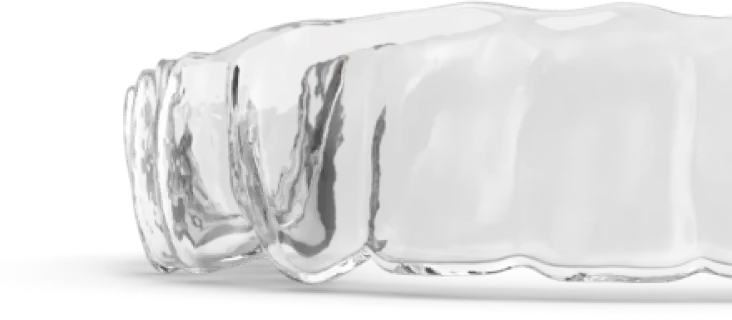
These are thin, transparent trays made to fit your teeth exactly. They are discreet and easy to take out for eating and cleaning.
Things to know:
- they only work when you wear them as instructed
- they can crack, wear out or warp with heat, and may need replacing
- they can be lost if wrapped in a tissue during meals
Wire-and-acrylic removable retainers
Sometimes called Hawley retainers, these have a plastic plate that sits against the roof of the mouth or behind the lower teeth, with a wire across the front teeth. They are durable and can sometimes be adjusted, but they are more visible and may affect speech at first.
Is one type of retainer better?
No single type of retainer suits everyone. The 2023 Cochrane review compared different retainers and retention methods and concluded that the evidence is low to very low certainty, so no one approach can be recommended over another with confidence. Some studies found that removable clear retainers were associated with better gum health but could be less comfortable, while fixed retainers had different patterns of breakage. The review also found no clear difference in stability between full-time and part-time wear of one type of removable retainer, based on a single small study.
In practice, your orthodontist will recommend a retainer based on how your teeth were moved, your bite, how well you clean your teeth and your own preferences. Some people are given a fixed retainer and a removable one together.
| Type | Visible? | Need to remember to wear? | Main care point |
|---|---|---|---|
| Fixed (bonded wire) | No, behind the teeth | No | Clean carefully around the wire; check it is intact |
| Clear removable | Barely | Yes | Wear as instructed; keep in its case |
| Wire-and-acrylic removable | Yes, wire at the front | Yes | Wear as instructed; may need adjustment |
How long should you wear a retainer?
Your orthodontist will tell you exactly how long and how often to wear your retainer, and you should follow their instructions. Many orthodontists recommend long-term retention, because teeth can move at any age. A common pattern is to wear a removable retainer more often in the first months after treatment and then reduce to night-time wear, but this varies from person to person.
If you stop wearing your retainer, your teeth may begin to move. Small changes can sometimes happen quickly, and once a removable retainer no longer fits, it may need to be replaced or the teeth may need further treatment.
Retainers after clear aligners
Clear aligners also move teeth, so the same principle applies: after the final aligner, a retainer is usually needed to keep the teeth in position. Your orthodontist will explain the retention plan at the end of your treatment. Read more about orthodontics at Chic Clinics.
How to look after your retainer
Removable retainers
- rinse your retainer when you take it out and clean it gently, as your orthodontist advises
- brush your teeth before putting it back in
- keep it in its case whenever it is not in your mouth
- keep it away from heat, such as hot water or a car dashboard, which can warp plastic
- remove it to eat, and drink only water while wearing it, unless your orthodontist says otherwise
- bring it to your dental appointments
Fixed retainers
- brush carefully along the gum line behind your front teeth
- clean between the teeth around the wire with floss threaders or interdental brushes
- avoid biting into very hard foods with your front teeth
- contact your dentist if the wire feels loose, sharp or broken
Signs your retainer needs attention
- a removable retainer feels tight or no longer fits
- you see a crack in a clear retainer
- a fixed wire has come away from a tooth or feels sharp
- you notice gaps opening or teeth starting to overlap
Contact your orthodontist promptly if you notice any of these, as early adjustment is usually simpler.
Your retainer review at Chic Clinics
Chic Clinics has provided dental care in Mahboula since 2015. You can meet our team on our doctors’ page. Whether you had braces at our clinic or elsewhere, you can book a visit to check your retainer and your teeth.
At the appointment:
- Your history: tell us when your treatment finished and what retainer you were given.
- Examination: the dentist checks the position of your teeth, your gums and the retainer itself.
- Advice: you will be told whether the retainer fits, whether it needs repair or replacement, and how to wear it.
Bring your current retainer and any treatment records you have. Information about paying for treatment is on our payment options page.
Book an appointment
Chic Clinics
Mermaid Medical Building, Villa 1, Street 20, Salem Sabah Al-Salem Al-Sabah Street, Mahboula, Kuwait
Call: +965 2220 7007 or +965 9956 3655
WhatsApp: +965 6002 3276
If a broken wire is cutting your cheek or tongue, contact the clinic. If you have a dental injury with severe pain or swelling, seek care promptly, and go to the emergency department if facial swelling spreads or you have difficulty swallowing or breathing.
Frequently asked questions
Do I have to wear a retainer forever?
Your orthodontist will advise you, but many recommend long-term retention, often at night, because teeth can move throughout life. Follow the plan you are given.
What happens if I stop wearing my retainer?
Your teeth may start to move back towards their original position. If a removable retainer no longer fits, contact your orthodontist rather than forcing it in.
Is a fixed retainer better than a removable one?
Neither is better for everyone. Research has not shown a clear winner, and each has advantages and drawbacks. Your orthodontist will recommend the option that suits your case.
Can I eat with my retainer in?
Remove a removable retainer to eat. A fixed retainer stays in, but avoid biting very hard foods with your front teeth.
My teeth moved after I stopped wearing my retainer. What now?
Book an orthodontic assessment. Depending on how much the teeth have moved, a new retainer may be enough, or further treatment may be needed. See our teeth braces guide for background on orthodontic options.
How much does a new retainer cost?
It depends on the type of retainer and whether your teeth need any adjustment first. Ask for a written estimate at your appointment.
Sources: Martin C et al., Retention procedures for stabilising tooth position after treatment with orthodontic braces, Cochrane Database of Systematic Reviews, 2023 (doi:10.1002/14651858.CD002283.pub5); NHS, Orthodontics.

Tooth Decay: Stages, Prevention and Treatment Options
Tooth decay is one of the most common health problems in the world, and it often…

Dentist Near Fahaheel: Specialist-Led Dental Care at Chic Clinics, Mahboula
If you live or work in Fahaheel and need more than a routine check-up — a…

Chic Clinic is a high-level dental clinic established in Kuwait with a team of experts in the field of dentistry.


Copyright © 2025. All rights reserved. Powered by Hats-Off