



November 18, 2026
In this article
- What is tooth decay?
- How tooth decay develops
- 1. Early changes in the enamel
- 2. Decay in the enamel
- 3. Decay in the dentine
- 4. Decay reaching the pulp
- Signs and symptoms to watch for
- When to get help quickly
- Who is at higher risk?
- How tooth decay is treated
- Fluoride treatment for early decay
- Fillings
- Crowns
- Root canal treatment
- Extraction
- How to prevent tooth decay
- How often should you have a check-up?
- Protecting children’s teeth
- Your first visit about a suspected cavity
- Tooth decay care at Chic Clinics, Mahboula
- Book an appointment
- Frequently asked questions
- Can tooth decay go away on its own?
- Does tooth decay always hurt?
- Is a filling painful?
- Can I get decay under a filling or crown?
- What should I do if I have toothache at night?
- How much does treatment for tooth decay cost?
Tooth decay is one of the most common health problems in the world, and it often starts without any pain. The World Health Organization lists untreated decay in permanent teeth as the most common health condition globally. The good news is that decay is largely preventable, and when it is found early, treatment is usually simpler. This guide explains what tooth decay is, how it develops, the signs to watch for, how it is treated, and what you can do every day to protect your teeth and your children’s teeth.
What is tooth decay?
Tooth decay is damage to the hard outer layer of the tooth (the enamel) and, if it continues, to the layers underneath. It happens when bacteria form a sticky film called plaque on the teeth. Each time you eat or drink something containing sugar, the bacteria in plaque turn that sugar into acids. Over time, these acids break down the tooth surface.
When decay goes far enough, it creates a hole in the tooth, called a cavity. If it is not treated, decay can reach the soft centre of the tooth (the pulp), where the nerve and blood vessels are, and can lead to infection.
How tooth decay develops
Decay usually progresses in stages. Your dentist will decide the right treatment based on how far it has gone.
1. Early changes in the enamel
The first sign is often a chalky white spot on the tooth, where minerals have been lost from the enamel. At this stage there is no hole yet. With good cleaning, fluoride and fewer sugary snacks, early decay can sometimes be stopped or reversed.
2. Decay in the enamel
If acid attacks continue, the enamel starts to break down. The spot may turn brown or darker, and a small cavity can form. Many people still feel nothing at this point.
3. Decay in the dentine
Under the enamel is a softer layer called dentine. Decay spreads faster here, and the tooth may become sensitive to hot, cold or sweet food and drink.
4. Decay reaching the pulp
When decay reaches the pulp, the tooth can become painful and infected. A pocket of pus (an abscess) can form at the root or in the gum.
Signs and symptoms to watch for
Tooth decay may not cause symptoms at first. As it gets worse, you may notice:
- sharp pain or sensitivity when eating or drinking hot, cold or sweet things
- white, brown or black spots on a tooth
- a visible hole or rough area that catches food or floss
- toothache that lingers or wakes you at night
- bad breath or an unpleasant taste that does not go away
- swelling of the gum near a tooth
Because early decay often causes no pain, regular check-ups matter even when your teeth feel fine.
When to get help quickly
Contact a dentist promptly if you have ongoing toothache, a broken tooth or swelling in the gum. If swelling in your face is spreading quickly, or you have difficulty swallowing or breathing, or a high temperature, go to the nearest emergency department straight away.
Who is at higher risk?
Anyone can get tooth decay, but some situations increase the risk:
- frequent snacking or sipping sugary drinks between meals
- brushing irregularly or without fluoride toothpaste
- a dry mouth, which can be caused by some medicines or medical conditions
- receding gums, which expose the roots of the teeth; roots are softer than enamel and decay more easily
- older fillings that have worn or cracked at the edges, where bacteria can collect
- wearing braces or a removable appliance without careful cleaning
Decay is common in children, so good habits from an early age are important.
How tooth decay is treated
Treatment depends on how severe the decay is. After examining your teeth, and taking X-rays if needed, your dentist will explain the options.
Fluoride treatment for early decay
When decay is caught early, before a cavity forms, a dentist may recommend fluoride treatments such as varnish or a prescription mouthwash to help the enamel recover.
Fillings
If there is a cavity, the decayed part of the tooth is removed and the space is filled. Tooth-coloured composite fillings are a common option. Learn more about composite fillings.
Crowns
When decay has destroyed a large part of the tooth, a filling may not be strong enough. A crown covers the tooth to protect it and restore its shape. See crowns and bridges.
Root canal treatment
If decay has reached the pulp, root canal treatment removes the infected tissue from inside the tooth, cleans and seals it. A crown is often placed afterwards. Not every tooth can be saved with root canal treatment; your dentist will assess whether it is suitable. Read about root canal treatment.
Extraction
If a tooth is too badly damaged to repair, it may need to be removed. Your dentist can then discuss options to replace it. See tooth extractions.
| Stage | What it means | Common treatment |
|---|---|---|
| Early enamel changes | White spots, no hole | Better cleaning, fluoride, less sugar |
| Cavity in enamel or dentine | A hole has formed | Filling |
| Large area of damage | Tooth weakened | Crown, sometimes after a filling |
| Decay reaching the pulp | Pain or infection | Root canal treatment or extraction |
How to prevent tooth decay
Most tooth decay can be prevented with daily habits:
- brush your teeth at least twice a day with fluoride toothpaste; spit after brushing rather than rinsing
- clean between your teeth every day with floss or interdental brushes
- keep sugary food and drinks to mealtimes and limit them overall
- choose water between meals
- have regular dental check-ups, at an interval your dentist recommends for you
- ask your dentist whether extra fluoride or fissure sealants (a protective coating on the chewing surfaces of back teeth) would help you or your child
How often should you have a check-up?
There is no single interval that suits everyone. UK guidance from NICE recommends that dentists set the time to your next check-up based on your risk of tooth decay and gum disease: between 3 and 24 months for adults, and no longer than 12 months for children and young people. Ask your dentist at the end of each visit when you should come back and why.
Protecting children’s teeth
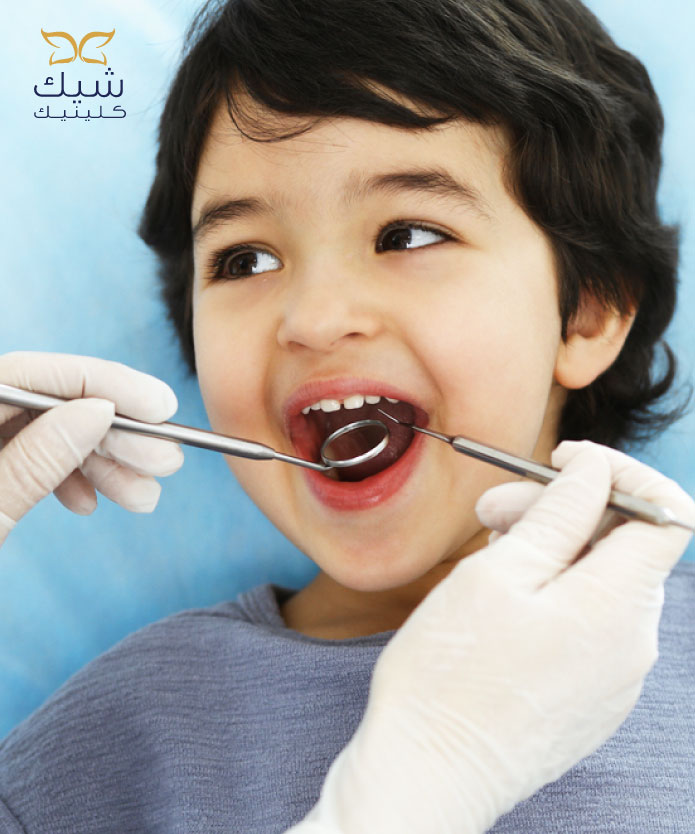
Baby teeth matter. Decay in baby teeth can cause pain, infection and difficulty eating, and these teeth hold space for the adult teeth. To protect your child’s teeth:
- help or supervise brushing until your child can do it well on their own
- use fluoride toothpaste in an amount suitable for your child’s age
- avoid sugary drinks in bottles and limit sweets between meals
- book regular check-ups
Find out more about children’s dentistry at Chic Clinics.
Your first visit about a suspected cavity
If you think you have tooth decay, here is what usually happens at the appointment:
- Your history: the dentist asks about your symptoms, your general health and any medicines you take.
- Examination: your teeth and gums are checked, and X-rays may be taken to see decay between teeth or under fillings.
- Explanation: the dentist explains what they found, which treatment is needed now and what can wait.
- Written plan: for anything beyond a simple filling, ask for a written plan with the stages, number of visits and costs.
Bring a list of your medicines and any recent X-rays if you have them.
Tooth decay care at Chic Clinics, Mahboula
Chic Clinics has provided dental care in Mahboula since 2015. Our team, listed on our doctors’ page, includes general dentists and dentists in specific specialties. At your appointment, the dentist will examine your teeth, explain what they find and discuss the treatment options with you. Information about paying for treatment is on our payment options page.
Book an appointment
Chic Clinics
Mermaid Medical Building, Villa 1, Street 20, Salem Sabah Al-Salem Al-Sabah Street, Mahboula, Kuwait
Call: +965 2220 7007 or +965 9956 3655
WhatsApp: +965 6002 3276
Frequently asked questions
Can tooth decay go away on its own?
Very early decay, before a hole forms, can sometimes be stopped or reversed with fluoride, good cleaning and less sugar. Once a cavity has formed, it will not heal by itself and needs treatment from a dentist.
Does tooth decay always hurt?
No. Decay often causes no pain in the early stages. Pain usually appears when decay reaches the deeper layers of the tooth, which is why regular check-ups are important.
Is a filling painful?
Fillings are usually done with local anaesthetic, so you should feel pressure rather than pain. Your dentist will explain what to expect for your tooth.
Can I get decay under a filling or crown?
Yes. Decay can start at the edges of a filling or crown, especially if plaque builds up there. Keep cleaning carefully and attend your check-ups so the dentist can monitor them.
What should I do if I have toothache at night?
Contact the clinic by phone or WhatsApp as soon as you can to arrange an appointment. Go to the emergency department straight away if facial swelling is spreading or you have difficulty swallowing or breathing.
How much does treatment for tooth decay cost?
The cost depends on the treatment you need, such as a filling, crown or root canal treatment, and how many teeth are affected. An accurate estimate needs an examination; ask for a written estimate at your appointment.
Sources: World Health Organization, Oral health fact sheet; NHS, Tooth decay; American Dental Association (MouthHealthy), Tooth decay; NICE CG19, Dental checks: intervals between oral health reviews; NHS, Root canal treatment.


Dentist Near Fahaheel: Specialist-Led Dental Care at Chic Clinics, Mahboula
If you live or work in Fahaheel and need more than a routine check-up — a…
Family Dentist for Mangaf Residents: Check-Ups, Children’s Care and Everyday Dentistry in Mahboula
Finding one dental clinic the whole Family Dentist can use saves time: one place for check-ups,…

Chic Clinic is a high-level dental clinic established in Kuwait with a team of experts in the field of dentistry.


Copyright © 2025. All rights reserved. Powered by Hats-Off