


July 26, 2026
In this article
- What Are Teeth Braces?
- How Do Teeth Braces Work?
- Types of Teeth Braces
- 1. Traditional Metal Braces
- 2. Ceramic Braces
- 3. Clear Aligners
- Who May Need Teeth Braces?
- When Should a Child Have an Orthodontic Assessment?
- What to Expect During Braces Treatment
- Initial Consultation
- Treatment Planning
- Placement of Braces
- Adjustment Appointments
- Retention Phase
- How Long Does Braces Treatment Take?
- How Much Do Teeth Braces Cost in Kuwait?
- Caring for Your Teeth While Wearing Braces
- Foods and Habits to Avoid
- Common Myths About Teeth Braces
- Myth 1: Braces Are Only for Children and Teenagers
- Myth 2: Braces Are Extremely Painful
- Myth 3: Clear Aligners Are Always Faster
- Myth 4: Braces Guarantee Perfect Results
- Myth 5: Teeth Will Stay Straight Permanently Without Retainers
- Teeth Braces at Chic Clinics Kuwait
- Frequently Asked Questions
- At What Age Should a Child Get Braces?
- Do Teeth Braces Hurt?
- Can I Eat Normally with Braces?
- How Often Will I Visit the Orthodontist?
- What Should I Do If a Bracket or Wire Breaks?
- What Happens If I Do Not Wear My Retainer?
- Conclusion
If you are wondering whether teeth braces are suitable for you or your child, understanding the available options is the first step toward making an informed decision.
Orthodontic treatment is not only concerned with appearance. It may help improve tooth alignment, bite function, cleaning access, and the relationship between the upper and lower teeth.
This guide explains how braces work, the main types available, what to expect during treatment, how to care for your teeth, and how to choose an appropriate orthodontic option.
What Are Teeth Braces?
Teeth braces are orthodontic appliances used to move teeth gradually and address certain alignment and bite problems.
Traditional braces use brackets attached to the teeth and connected by an archwire. The orthodontist adjusts the system according to a customized treatment plan, applying controlled forces that guide the teeth toward their planned positions.
Treatment duration varies from one patient to another and depends on the diagnosis, complexity of tooth movement, type of appliance, oral health, growth, and patient cooperation.
How Do Teeth Braces Work?
Orthodontic appliances apply controlled pressure to the teeth. The surrounding bone and tissues gradually adapt as the teeth move.
A traditional braces system may include:
* Brackets: Small components bonded to the teeth
* Archwires: Wires that guide tooth movement
* Elastic ties or clips: Components that hold the wire in position
* Orthodontic bands: Rings that may be fitted around selected teeth
* Elastics: Removable rubber bands used in some cases to support bite correction
Not every patient requires all these components. The orthodontist selects the system according to the individual treatment plan.
Types of Teeth Braces
1. Traditional Metal Braces
Metal braces use stainless-steel brackets and wires.
They may be suitable for:
* Crowded teeth
* Spaces between teeth
* Rotated teeth
* Certain complex tooth movements
* Some bite problems
Metal braces are visible, but they provide the orthodontist with precise control over tooth movement.
2. Ceramic Braces
Ceramic braces work in a similar way to traditional braces but use clear or tooth-colored brackets.
They are less noticeable than metal braces and may appeal to patients who want fixed treatment with a more discreet appearance.
Ceramic brackets still require careful cleaning, and the elastic components used with them may become discolored if oral hygiene and dietary instructions are not followed.
3. Clear Aligners
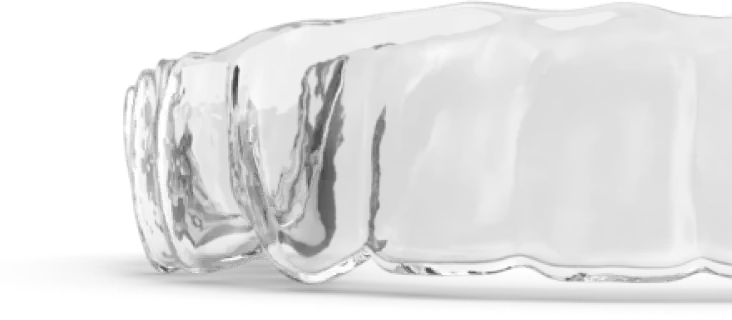
Clear aligners, including Invisalign, are removable transparent trays designed to move teeth gradually.
They may offer:
* A discreet appearance
* Removal during meals
* Easier brushing and cleaning between teeth
* Fewer restrictions on food when removed correctly
Clear aligners require consistent daily wear. They may not be the most suitable option for every complex tooth or jaw movement.
Chic Clinics officially lists metal braces, ceramic braces, and Invisalign among its orthodontic treatments.
Who May Need Teeth Braces?
An orthodontic assessment may be recommended for concerns such as:
* Crowded or overlapping teeth
* Gaps between teeth
* Protruding teeth
* Crossbite
* Open bite
* Deep bite
* Underbite or overbite
* Teeth that have shifted after previous treatment
* Difficulty cleaning certain areas because of tooth position
Some bite problems are mainly dental, while others involve the relationship or growth of the jaws. More complex skeletal cases may require additional appliances, growth assessment, or referral for another form of treatment.
Chic Clinics lists the treatment of crowding, crossbite, open bite, deep bite, spaces between teeth, and selected jaw-position concerns within its orthodontic service.
When Should a Child Have an Orthodontic Assessment?
The American Association of Orthodontists recommends that children receive their first orthodontic check-up no later than age seven.
At this age, children usually have a combination of primary and permanent teeth, allowing the orthodontist to identify developing alignment, eruption, or jaw-growth concerns.
An assessment at age seven does not mean braces must begin immediately. Many children only require monitoring until the appropriate time for treatment.
Adults may also receive orthodontic treatment, provided that their teeth, gums, and supporting tissues are healthy enough for the planned movement.
What to Expect During Braces Treatment
Initial Consultation
The orthodontist examines the teeth, gums, bite, and jaw relationship.
The assessment may include:
* Dental and medical history
* Clinical examination
* Photographs
* Dental X-rays when required
* Impressions or digital scans
* Discussion of treatment options
* Estimated treatment stages and cost
The specific records required depend on the patient’s condition.
Treatment Planning
The orthodontist explains:
* The diagnosed alignment or bite problem
* The recommended appliance
* Alternative options
* Whether any dental treatment is needed first
* The expected treatment stages
* Possible limitations or risks
* The importance of oral hygiene
* The retention plan after treatment
Patients should understand the plan before agreeing to begin.
Placement of Braces
The teeth are cleaned and prepared before the brackets are bonded. The archwire and any additional components are then placed.
Patients may feel pressure or temporary soreness after braces are fitted. The experience varies, and severe or persistent pain should be reported to the orthodontist.
Adjustment Appointments
Regular appointments allow the orthodontist to monitor tooth movement and adjust the appliance.
The interval between visits differs according to the type of braces, treatment stage, and patient’s progress. Patients should follow the schedule provided by their orthodontist rather than assuming one fixed interval.
Retention Phase
After active orthodontic treatment ends, retainers are used to help maintain the new tooth positions.
Retainers may be removable or fixed. Teeth naturally continue to shift over time, so patients should wear and maintain retainers according to the orthodontist’s instructions.
How Long Does Braces Treatment Take?
There is no single duration for every patient.
Treatment time may be influenced by:
* The severity of crowding or spacing
* The type of bite problem
* The number and complexity of tooth movements
* The selected orthodontic appliance
* The patient’s age and growth
* Oral hygiene
* Attendance at appointments
* Use of prescribed elastics
* Consistent aligner wear
* Broken or lost appliances
The orthodontist can provide an estimate after completing the examination and treatment plan. The expected date may change according to how the teeth respond.
How Much Do Teeth Braces Cost in Kuwait?
The cost of braces in Kuwait varies according to:
* The type of braces
* The complexity of the case
* The estimated treatment duration
* Diagnostic records
* The number of follow-up appointments
* Additional orthodontic appliances
* Retainers
* Whether other dental treatment is required
Before beginning treatment, ask for a written explanation of:
* The total estimated cost
* What is included
* Whether retainers are included
* Whether replacement appliances involve additional charges
* The available payment arrangements
* Insurance coverage, if applicable
The final cost should be confirmed after an orthodontic assessment.
Caring for Your Teeth While Wearing Braces
Brackets and wires create additional areas where food and plaque can collect.
Recommended care includes:
* Brushing at least twice daily with fluoride toothpaste
* Cleaning carefully around brackets and along the gumline
* Cleaning between the teeth using a suitable flossing aid or interdental brush
* Following the orthodontist’s instructions for any prescribed mouth rinse
* Attending dental and orthodontic appointments
* Reporting loose brackets or broken wires
* Avoiding habits that could damage the appliance
Fluoride toothpaste helps protect against tooth decay, while careful cleaning is particularly important during fixed-braces treatment.
Foods and Habits to Avoid
The orthodontist may advise limiting foods that can damage brackets and wires, including:
* Hard sweets
* Ice
* Sticky sweets
* Very hard nuts
* Biting directly into hard foods
* Chewing pens or fingernails
* Using the teeth to open packaging
Many foods can still be eaten after being cut into smaller pieces. Follow the specific dietary guidance provided by the clinic.
Common Myths About Teeth Braces
Myth 1: Braces Are Only for Children and Teenagers
Adults can also receive orthodontic treatment. Suitability depends more on oral health and the nature of the alignment problem than on age alone.
Myth 2: Braces Are Extremely Painful
Patients may experience pressure or temporary soreness after placement and adjustments. Persistent or severe pain is not considered something to ignore and should be discussed with the orthodontist.
Myth 3: Clear Aligners Are Always Faster
Clear aligners are not automatically faster than fixed braces. Duration depends on the required movements, case complexity, and patient compliance.
Myth 4: Braces Guarantee Perfect Results
Orthodontic treatment can produce significant improvements, but no dentist should guarantee an exact result. Outcomes depend on diagnosis, biological response, treatment planning, oral hygiene, cooperation, and retainer use.
Myth 5: Teeth Will Stay Straight Permanently Without Retainers
Teeth may move after treatment. Retainers are an essential part of maintaining the result and should be worn according to professional instructions.
Teeth Braces at Chic Clinics Kuwait
Chic Clinics offers orthodontic treatment at its clinic in Mahboula, Kuwait.
Its official website lists:
* Traditional metal braces
* Ceramic braces
* Invisalign clear aligners
* Orthodontic assessment for children, teenagers, and adults
* Treatment for several forms of tooth and bite misalignment
The clinic lists Dr. Yasser Atwi as its specialist orthodontist. His profile states that he holds a master’s degree in orthodontics and has experience in fixed braces and invisible orthodontic systems.
The appropriate option is selected after examining the patient’s teeth, gums, bite, and jaw relationship.
Frequently Asked Questions
At What Age Should a Child Get Braces?
There is no single age at which every child should begin braces.
An orthodontic assessment is recommended by age seven, but active treatment may begin earlier or later depending on tooth eruption, jaw growth, and the diagnosed problem.
Do Teeth Braces Hurt?
Placement and adjustments may cause temporary pressure or soreness.
Contact the clinic if pain is severe, continues longer than expected, or is associated with swelling, injury, or a damaged appliance.
Can I Eat Normally with Braces?
Most foods can still be eaten, but patients should avoid or modify foods that may bend wires or loosen brackets.
Your orthodontist will provide instructions based on your appliance.
How Often Will I Visit the Orthodontist?
The frequency of visits depends on the appliance and treatment stage.
Follow the schedule provided by your orthodontist rather than relying on a general fixed interval.
What Should I Do If a Bracket or Wire Breaks?
Contact the clinic for advice. Do not attempt to cut, remove, or repair orthodontic components without professional guidance.
What Happens If I Do Not Wear My Retainer?
Teeth may gradually shift away from their corrected positions. The retainer may become tight or stop fitting, and additional orthodontic treatment may sometimes be needed.
Contact the orthodontist if your retainer no longer fits properly.
Conclusion
Teeth braces can address many forms of tooth misalignment and bite problems, but the correct treatment depends on an individual orthodontic diagnosis.
Metal braces, ceramic braces, and clear aligners each have benefits and limitations. Treatment duration, cost, and results vary according to the condition and the patient’s cooperation.
Chic Clinics in Mahboula provides orthodontic assessments and treatment options under the supervision of its dental team.
Contact Chic Clinics Kuwait to schedule an orthodontic assessment and receive a treatment plan based on your individual needs.

Best Dentist in Kuwait: Your Complete Guide to Chic Clinics
Who is the best dentist in Kuwait? Chic Clinics is widely regarded as the best dentist…
Teeth Whitening Kuwait: Your Complete Guide to a Brighter Smile
Are you searching for the best teeth whitening in Kuwait and feeling overwhelmed by the number…

Chic Clinic is a high-level dental clinic established in Kuwait with a team of experts in the field of dentistry.


Copyright © 2025. All rights reserved. Powered by Hats-Off