


June 25, 2026
In this article
- Direct Answer Box: What Are Teeth Braces?
- What Are Teeth Braces and How Do They Work?
- Types of Teeth Braces: Which Option Is Right for You?
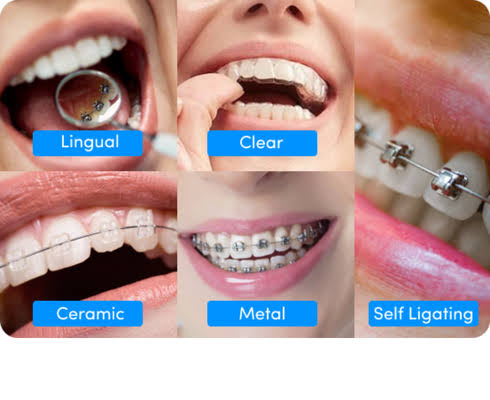
- 1. Traditional Metal Braces
- 2. Ceramic Braces
- 3. Lingual Braces
- 4. Clear Aligners (e.g., Invisalign)
- 5. Self-Ligating Braces
- Who Needs Teeth Braces?
- What to Expect During Braces Treatment
- Initial Consultation
- Getting Your Braces Fitted
- Adjustment Appointments
- Retention Phase
- How Long Do Teeth Braces Take?
- Caring for Your Teeth While Wearing Braces
- Daily Hygiene Tips
- Common Myths About Teeth Braces — Debunked
- Why Choose Chic Clinics for Your Orthodontic Treatment?
- Frequently Asked Questions
- 1. At what age should you get teeth braces?
- 2. Do teeth braces hurt?
- 3. Can I eat normally with braces?
- 4. How often do I need to visit the orthodontist during treatment?
- 5. What happens if I don’t wear my retainer after braces?
- Conclusion: Ready to Start Your Smile Journey?
If you’ve ever wondered whether teeth braces are right for you or your child, you’re not alone. Millions of people worldwide seek orthodontic treatment every year — and for good reason. Straight teeth aren’t just about aesthetics; they play a critical role in your overall oral health, bite function, and long-term dental wellbeing. Whether you’re a teenager considering your first orthodontic consultation or an adult finally ready to address a lifelong concern, understanding your options is the first step toward a confident, healthy smile.
This guide cuts through the confusion. We’ll walk you through everything you need to know about teeth braces — from the different types available and how they work, to costs, timelines, aftercare, and how to choose the right treatment for your unique situation. By the end, you’ll have a clear picture of what to expect and feel empowered to make an informed decision. Let’s get started.
Direct Answer Box: What Are Teeth Braces?
Teeth braces are orthodontic devices used to correct misaligned teeth and jaws. They apply consistent, gentle pressure over time to gradually move teeth into their correct positions. Braces can address crowding, gaps, overbites, underbites, and crossbites. Treatment typically lasts between 12 and 36 months, depending on the complexity of the case and the type of braces chosen.
What Are Teeth Braces and How Do They Work?
Teeth braces function by applying controlled, sustained pressure on your teeth and jaw. This pressure slowly shifts teeth through the surrounding bone tissue, which responds by remodeling itself to accommodate the new tooth position. The process is gradual by design — moving teeth too quickly can damage roots and surrounding tissue.
A typical braces system consists of:
- Brackets – Small squares bonded directly to each tooth
- Archwires – Thin metal wires threaded through the brackets
- Ligatures or elastic bands – Used to hold the wire to the brackets and guide jaw alignment
- Spacers and bands – Placed between molars to create room for brackets
Your orthodontist adjusts these components every 4–8 weeks to maintain consistent pressure and track progress.
Types of Teeth Braces: Which Option Is Right for You?
Not all braces are created equal. Modern orthodontics offers several types, each with distinct advantages depending on your clinical needs, lifestyle, and budget.
1. Traditional Metal Braces
The most recognized form of orthodontic treatment, metal braces use stainless steel brackets and wires. They are:
- The most cost-effective option
- Highly effective for complex cases
- Durable and reliable for both teens and adults
- Customizable with colorful elastic bands
Despite their visibility, metal braces remain the gold standard for severe misalignment and bite corrections.
2. Ceramic Braces
Ceramic braces work exactly like metal braces but use tooth-colored or clear brackets that blend with your enamel. They offer:
- A more discreet appearance
- Similar effectiveness to metal braces
- Slightly higher cost
- A tendency to stain if not cared for properly
These are a popular choice for adults who want effective treatment without the metallic look.
3. Lingual Braces
Lingual braces are fitted on the inside surface of the teeth, making them completely invisible from the front. They’re ideal for patients who require a truly hidden treatment but come with:
- Higher costs
- A longer adjustment period for speech and comfort
- Slightly extended treatment times
4. Clear Aligners (e.g., Invisalign)
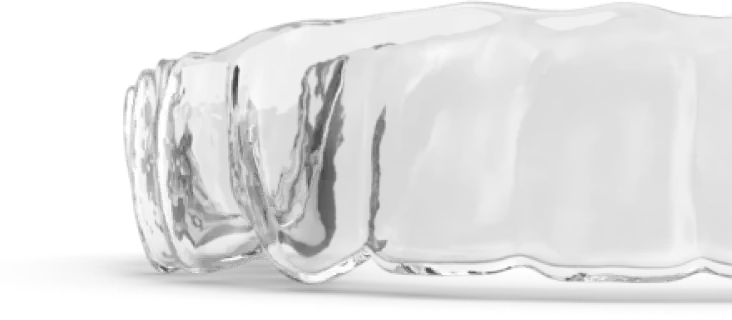
Clear aligners are removable, transparent trays custom-molded to your teeth. They are changed every 1–2 weeks to progressively shift teeth. Benefits include:
- Near-invisible appearance
- Removable for eating and brushing
- Comfortable with no metal components
- Suitable for mild to moderate cases
According to the American Association of Orthodontists, clear aligner treatments have grown by over 400% in the past decade, with millions of patients now opting for this approach globally.
5. Self-Ligating Braces
These use a built-in mechanism to hold the archwire instead of elastic bands, potentially reducing friction and requiring fewer adjustments. They can offer:
- Shorter appointment times
- Potentially faster tooth movement
- A cleaner, lower-profile look
Who Needs Teeth Braces?
Teeth braces aren’t just for cosmetic improvement. Orthodontists recommend them for a variety of clinical conditions, including:
- Overcrowded teeth – When there’s insufficient space in the jaw
- Gapped teeth – Spaces between teeth that affect function and appearance
- Overbite – Upper teeth extend too far over lower teeth
- Underbite – Lower teeth protrude beyond the upper teeth
- Crossbite – Upper and lower teeth don’t align correctly side-to-side
- Open bite – Upper and lower front teeth don’t meet when biting
The World Health Organization estimates that malocclusion (misaligned teeth) is the third most prevalent dental condition globally, affecting up to 70% of children in some populations.
Early assessment is key. Most orthodontists recommend a first evaluation by age 7, even though active treatment often begins between 9 and 14 years old. However, adults of any age can benefit — there’s no upper age limit for orthodontic care.
What to Expect During Braces Treatment
Initial Consultation
Your journey begins with a comprehensive orthodontic assessment. This includes:
- Dental X-rays and 3D scans
- Photographs of your face and teeth
- Impressions or digital molds
- A customized treatment plan
Getting Your Braces Fitted
Fitting teeth braces typically takes 1–2 hours. The process involves cleaning and drying your teeth, applying bonding agent and brackets, and threading the archwire. It’s painless but can feel unusual at first.
Adjustment Appointments
Every few weeks, your orthodontist will tighten or replace your wires. You may experience mild soreness for 24–72 hours after each visit — this is completely normal and indicates the braces are working.
Retention Phase
Once your braces are removed, you’ll be fitted with a retainer to maintain your results. Skipping retainer use is one of the most common reasons teeth shift back after treatment.
How Long Do Teeth Braces Take?
Treatment duration varies based on:
| Factor | Estimated Impact |
|---|---|
| Severity of misalignment | Minor: 6–12 months / Severe: 2–3+ years |
| Type of braces | Metal may be slightly faster than aligners in complex cases |
| Patient compliance | Aligners require 20–22 hrs/day of wear |
| Age | Younger patients may respond faster due to bone flexibility |
| Oral hygiene habits | Poor hygiene can slow treatment |
The average treatment time for teeth braces is 18–24 months
Many dental insurance plans cover a portion of orthodontic treatment, especially for patients under 18. Additionally, most clinics offer flexible payment plans and interest-free financing to make treatment more accessible.
A 2023 survey by the American Dental Association found that 58% of orthodontic patients use some form of financing or dental insurance to help cover the cost of braces treatment.
At Chic Clinics, we believe that everyone deserves access to quality orthodontic care, which is why we offer transparent pricing, complimentary consultations, and tailored payment options to fit your budget.
Caring for Your Teeth While Wearing Braces
Proper oral hygiene is non-negotiable during orthodontic treatment. Brackets and wires create new spaces where food and plaque can hide.
Daily Hygiene Tips
- Brush after every meal using a soft-bristled toothbrush or electric brush
- Floss daily using floss threaders or a water flosser
- Use fluoride mouthwash to strengthen enamel
- Avoid hard, sticky, or crunchy foods like caramel, popcorn, and ice
- Attend all scheduled adjustment appointments
Neglecting hygiene during treatment can lead to enamel damage, gum disease, or white spot lesions — permanent marks that appear after braces are removed.
Common Myths About Teeth Braces — Debunked
Myth 1: Braces are only for kids and teenagers.
Truth: Adult orthodontics is one of the fastest-growing areas of dentistry. Anyone with healthy teeth and gums is a candidate for braces, regardless of age.
Myth 2: Braces are extremely painful.
Truth: Modern braces are far more comfortable than ever before. Mild soreness after adjustments is normal, but most patients adapt quickly.
Myth 3: Braces take forever.
Truth: With advances in technology, many cases can be resolved in under 18 months, especially with clear aligner systems.
Myth 4: You can’t play sports or instruments with braces.
Truth: You can do both — orthodontists recommend a mouthguard for contact sports, and most musicians adapt to braces within a few weeks.
Why Choose Chic Clinics for Your Orthodontic Treatment?
At Chic Clinics, our team of experienced orthodontists combines clinical expertise with a patient-first approach. We offer:
- State-of-the-art digital scanning and treatment planning
- A full range of braces options — from [traditional metal braces] to [clear aligners]
- Transparent pricing with no hidden fees
- A welcoming environment designed to make every visit comfortable
Whether you’re exploring [orthodontic treatment for adults] or looking for [braces for your teenager], our team will guide you every step of the way.
Frequently Asked Questions
1. At what age should you get teeth braces?
Most orthodontists recommend an initial evaluation by age 7. Active treatment often begins between 9 and 14. However, adults of all ages can successfully undergo braces treatment.
2. Do teeth braces hurt?
Braces don’t hurt to have fitted, but mild discomfort or soreness is common for 2–3 days after each adjustment. Over-the-counter pain relief and soft foods help manage this.
3. Can I eat normally with braces?
Most foods are fine, but you should avoid hard, sticky, or chewy foods that could damage your brackets or wires. This includes gum, hard candy, nuts, and raw carrots.
4. How often do I need to visit the orthodontist during treatment?
Typically every 4–8 weeks for check-ups and adjustments. Clear aligner patients may have slightly less frequent visits, depending on their plan.
5. What happens if I don’t wear my retainer after braces?
Teeth will gradually shift back toward their original positions — a process called orthodontic relapse. Consistent retainer wear (especially in the first year after treatment) is essential to maintain your results.
Conclusion: Ready to Start Your Smile Journey?
Teeth braces have transformed millions of smiles — and they can transform yours too. Whether you’re dealing with crowding, bite issues, or simply want to feel more confident, modern orthodontic treatment offers safe, effective, and increasingly discreet solutions for patients of every age.
The key is taking that first step: a professional consultation with a qualified orthodontist who can assess your individual needs and design a treatment plan built around your life, timeline, and goals.
Ready to invest in your smile? [Book a complimentary consultation at Chic Clinics today] and discover which teeth braces option is right for you. Our expert team is here to answer every question and guide you toward the smile you’ve always wanted — with care, confidence, and expertise.

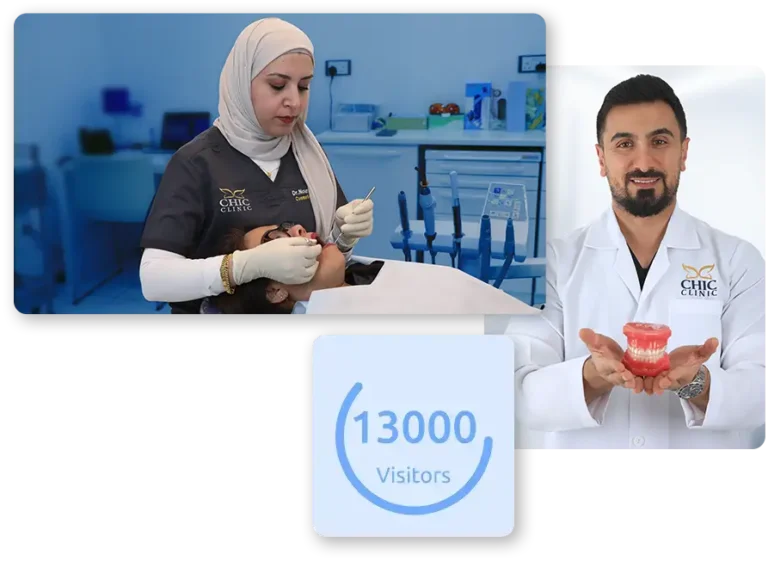
Best Dentist in Kuwait: Your Complete Guide to Chic Clinics
Who is the best dentist in Kuwait? Chic Clinics is widely regarded as the best dentist…
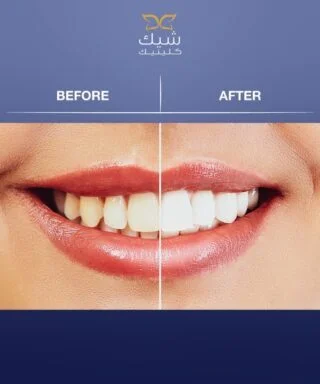
Teeth Whitening Kuwait: Your Complete Guide to a Brighter Smile
Are you searching for the best teeth whitening in Kuwait and feeling overwhelmed by the number…

Chic Clinic is a high-level dental clinic established in Kuwait with a team of experts in the field of dentistry.


Copyright © 2025. All rights reserved. Powered by Hats-Off